



Oct 92026


Dining Room Sets Tampa: How to Design the Perfect Dining Space
Choosing the right dining room sets Tampa homeowners can browse in person transforms one of the most-used spaces in your home. Whether you are outfitting a formal dining room, an open-plan kitchen area, or a cozy breakfast nook, the decisions you make about size, seating style, materials, and layout will shape how comfortable and functional that space actually feels. This guide walks through the key considerations so you can shop with confidence.
How to Size Dining Room Sets for Your Space
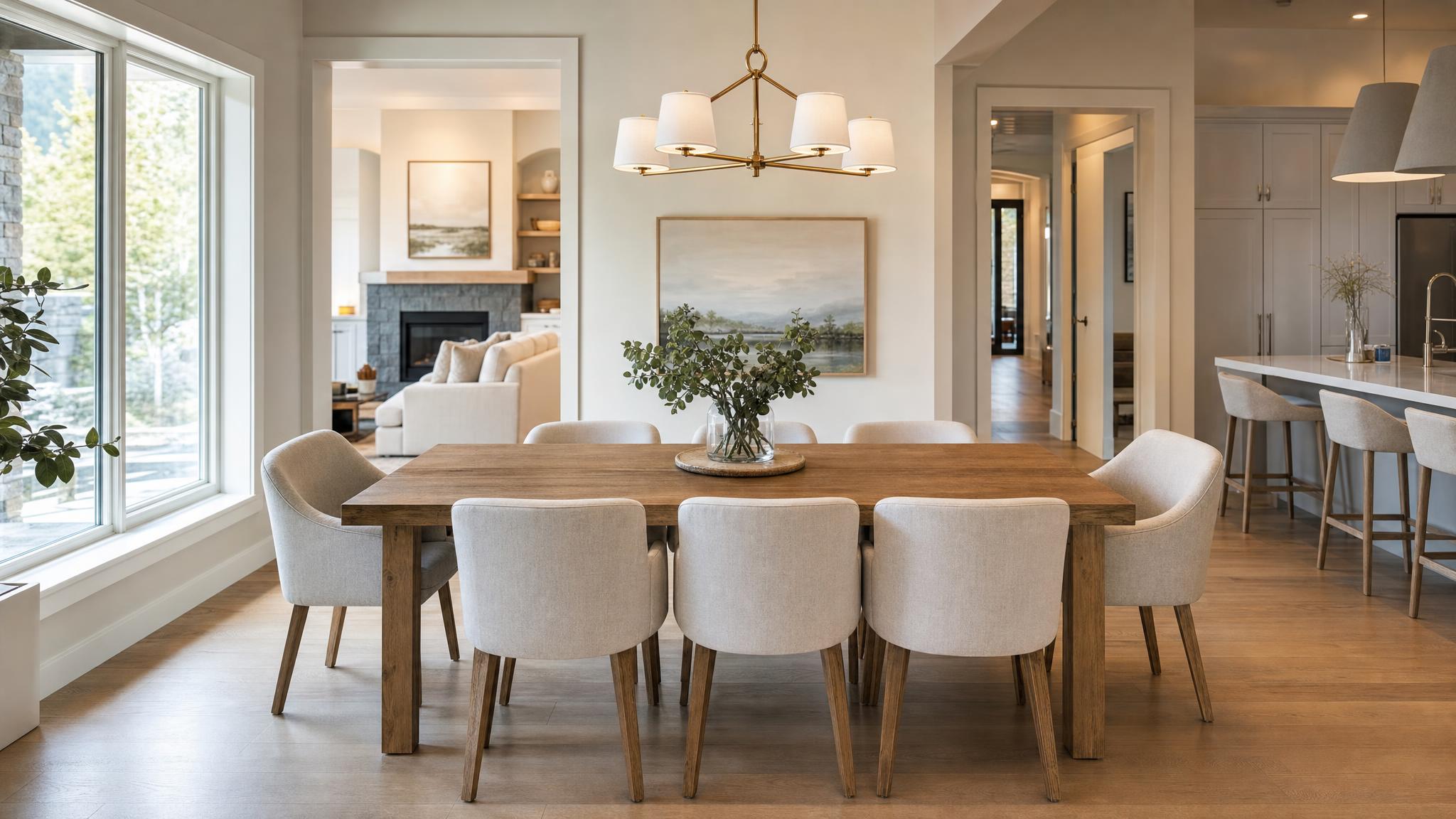
Before you fall in love with a table, measure your room. A common mistake is choosing a table that looks right on the showroom floor but leaves no room to pull chairs back at home. The general rule: allow at least 36 inches between the table edge and the wall or any other furniture. That gives seated guests room to push back and stand without bumping into anything.
For a room that is roughly 10 by 12 feet, a 36-by-60-inch rectangular table seats four to six people comfortably. Step up to a 12-by-14-foot room and a 6 chair dining table in the 36-by-72-inch range fits well. Round tables work beautifully in square rooms and tend to make conversation easier, but they do not seat as many people per square foot as a rectangular option.
If you frequently host larger gatherings, look for tables with extension leaves. A table that seats six every day and expands to seat ten for holidays is one of the most practical investments in dining room furniture you can make.
Chairs vs. Benches: Which Seating Style Works Best?
The most-searched question in this category is about mixing benches with chairs, and for good reason. A bench along one or two sides of a dining table and chairs solves a real problem: benches slide closer to the table than chairs do, so you can squeeze in extra guests when you need to. They are also a natural fit for families with young children who prefer to sit together.
The trade-off is lumbar support. A long meal is more comfortable in an upholstered chair than on a bench, especially for older guests. A popular compromise is a dining table and chairs configuration with two armchairs at the heads of the table, side chairs along the long sides, and a bench tucked in when the crowd grows.
Armchairs versus side chairs is another choice worth thinking through. Armchairs take up more horizontal space (typically 24 to 28 inches wide versus 18 to 20 inches for a side chair), so a table that fits six side chairs may only fit four armchairs. Count the inches before you buy.
Dining Room Furniture Materials: What Holds Up and What to Expect
Solid wood dining tables are the most durable option and develop character over time. Oak, maple, and acacia are common choices that handle daily use well. Solid wood does expand and contract slightly with humidity changes, which is normal and not a defect.
Wood veneer tables offer the look of solid wood at a lower price point, with a more stable surface that is less prone to movement. The edge banding and veneer quality vary significantly between manufacturers, so it is worth inspecting the piece in person rather than relying on a photo.
Glass-top tables are easy to wipe down and visually lightweight, which helps in smaller rooms. The surface shows fingerprints readily and is not ideal in homes with young children. Metal-and-glass combinations tend to read as modern or industrial and pair best with upholstered chairs that soften the overall look.
For chair upholstery, performance fabrics and faux leather clean up far more easily than natural linen or velvet. If the dining room sees heavy daily use, prioritize cleanability over texture.
Matching Style: How to Pull a Dining Space Together
Dining room sets do not have to match perfectly, but they do have to coordinate. The most reliable approach is to anchor the room with one dominant material or finish (a warm walnut table, for example) and repeat that tone in smaller pieces like a buffet, lighting, or chair legs. Chairs in a contrasting color or material add visual interest without creating chaos.
Scale matters as much as style. A heavy, farmhouse-style table overwhelms a small room even if the individual pieces are beautiful. A delicate pedestal table looks lost in a large open-plan space. When in doubt, match the visual weight of the furniture to the scale of the room.
If you are working with an open floor plan where the dining area flows directly into the living room, choose dining room furniture that shares at least one material or color with the living room pieces. It does not need to match, but it should feel like the same home.
What to Look for When Shopping Dining Room Sets in Tampa Bay
Seeing furniture in person makes a real difference. Photos do not convey how a finish actually looks in natural light, how firm a seat cushion is, or how solid the joinery feels. If you are shopping for dining room sets in the Tampa Bay area, visiting a showroom lets you sit in the chairs, open any extension leaves, and compare materials side by side before you commit.
A few practical things to check in the showroom: pull a chair all the way out and push it back in to test the floor clearance. Sit in each chair style for a moment. If a table has leaves, ask to see them installed. Check that the leaf finish matches the main table surface closely enough that it will not look mismatched in use.
For guidance on coordinating your dining room furniture with the rest of your home, the team at Furniture Distribution Center is available in person at showrooms in Tampa, Lakeland, and Gainesville. You can also call (813) 444-9713 to ask questions before making the drive.
Frequently Asked Questions About Dining Room Sets
What size dining room set do I need for a family of four?
A four-person household does well with a table in the 36-by-48-inch to 36-by-60-inch range. This gives each person comfortable elbow room while fitting in most standard dining rooms. If you host guests regularly, choose the longer end of that range or look for a table with an extension leaf so you can seat six when needed.
Is a 6 chair dining table right for my room?
A 6 chair dining table typically requires a rectangular table at least 60 to 72 inches long and a room that is at least 10 by 12 feet to allow adequate clearance around all sides. Measure your space with the 36-inch clearance rule in mind before purchasing. In a room that falls slightly short, a bench on one side can help because it slides closer to the table than individual chairs do.
What is the most durable material for a dining table with kids?
Solid hardwoods like oak and maple hold up well to daily use and can be refinished if scratched over time. For the tabletop surface, a matte or satin finish hides minor scuffs better than a high-gloss one. Avoid glass tops in high-use family settings. For chairs, choose a performance fabric or faux leather that cleans with a damp cloth rather than natural textiles that absorb spills.
Can I mix chairs from different dining room sets?
Yes, and it often looks intentional rather than mismatched if you follow a few guidelines. Keep the seat height consistent across all chairs (standard dining chair seat height is 17 to 19 inches). Coordinate at least one element, such as leg finish or upholstery color. Using two distinct chair styles, one at the head and one on the sides, is a classic approach that works in most dining spaces.
Ready to See Dining Room Furniture in Person?
Furniture Distribution Center carries a wide selection of dining room furniture across showrooms in Tampa, Lakeland, and Gainesville. Stop in to see current inventory, sit in the chairs, and get help choosing a set that fits your space and style. Call (813) 444-9713 to reach the Tampa showroom directly.
Popular Posts
Oct
09

Oct
09